
What is the key technical comparison of Zapier and n8n for power users?
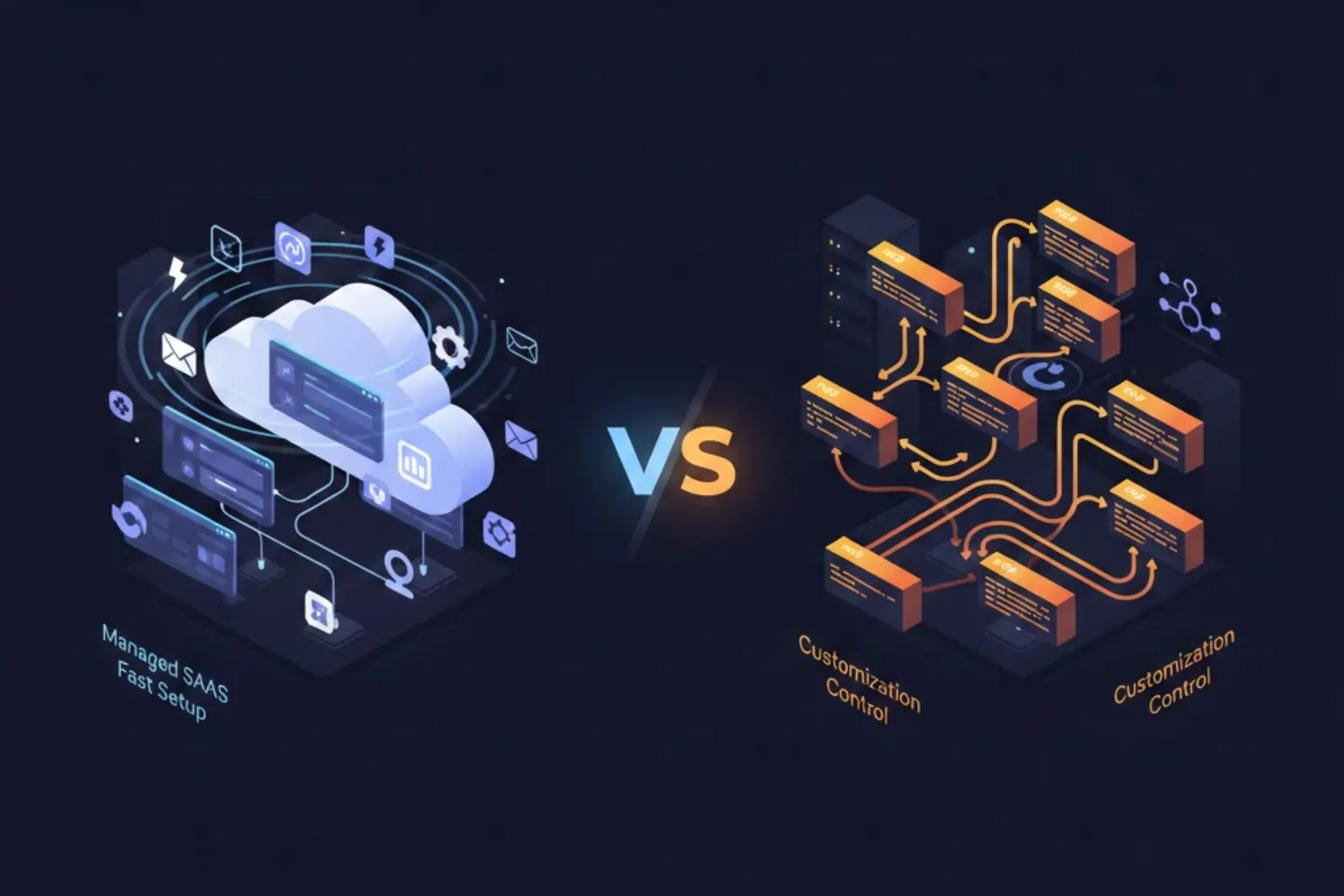
Read our technical comparison of Zapier and n8n to understand node logic, error handling, and webhooks for complex AI freelance workflows in 2026. Power users often find themselves at a crossroads when simple automation tasks evolve into sophisticated data pipelines that require more than basic linear sequences.
Choosing the right platform involves looking beyond simple app integrations. It requires a deep understanding of how data flows between services and how much control a developer or content strategist has over that movement. As we move through 2026, the demand for high-reliability systems in the freelance economy has never been greater.
Understanding the technical comparison of Zapier and n8n in 2026
The primary architectural difference lies in how these platforms visualize and execute logic. Zapier remains the leader in accessibility, utilizing a linear trigger-and-action model that has been polished for over a decade. While it has introduced branching paths, the core experience is designed for speed and ease of use. This makes it an excellent choice for solo entrepreneurs who need to connect two disparate pieces of software without writing a single line of code.
n8n takes a fundamentally different approach by using a node-based workflow engine. Instead of a straight line, your automations look like a flowchart where every node can represent a function, a data transformation, or an external API call. This structural difference is the foundation of any technical comparison of Zapier and n8n. For a ghostwriter managing 50 different client social media feeds, the ability to see the entire logic tree at once provides a level of clarity that linear lists cannot match.
- Zapier: Best for rapid deployment and massive application support with over 7,000 integrations.
- n8n: Offers superior flexibility for complex logic, multi-directional data flow, and self-hosting options.
- Scalability: n8n allows for easier bulk data processing, while Zapier excels at real-time single-event triggers.
Node logic and flow control
In 2026, the way we handle conditional logic has evolved. In Zapier, creating complex branches requires using Paths, which can become cumbersome if you have more than three or four conditions. Each path is treated almost like a separate sub-workflow. This can lead to fragmented visibility when troubleshooting a multi-stage content distribution system.
Conversely, n8n treats branching as a native feature of its canvas. You can connect one node to multiple others, creating intricate webs of logic that handle various edge cases simultaneously. When considering the technical comparison of Zapier and n8n, power users often prefer n8n for its ability to merge branches back together without losing the original data context. This is particularly useful when you need to gather information from three different sources before sending a final summary to a client.
- Define the primary trigger such as a new entry in a database or a webhook.
- Filter the incoming data using JavaScript nodes for precise control.
- Branch the workflow based on specific data attributes like client priority or content type.
- Execute multiple actions in parallel to save time.
- Merge results into a final output node for delivery.
Data handling and error management
Error handling is where a professional setup proves its value. Zapier provides an excellent Autoreplay feature in its higher-tier plans, which automatically retries failed steps. This is a hands-off solution that works well for transient network issues. However, if the error is due to a change in data format, the system will continue to fail until manually intervention occurs. For more details on these strategies, see The ultimate Zapier vs n8n for AI automation guide which covers high-level strategic planning.
n8n gives the user granular control over errors. You can create specific Error Trigger nodes that execute a completely different workflow when something goes wrong. This allows for custom logging, notification to Slack, or even an automated rollback of previous steps. This level of technical complexity is why many developers prefer n8n for mission-critical tasks where data integrity is paramount.
| Feature | Zapier (2026) | n8n (2026) |
|---|---|---|
| Base Monthly Price | $29.99 (Pro) | $20.00 (Starter Cloud) |
| Hosting Options | Cloud only | Cloud or Self-hosted |
| Execution Model | Linear / Paths | Node-based / Graph |
| Custom Code | Python / JavaScript | JavaScript (Native nodes) |
| Data Privacy | Standard SaaS | End-to-end (Self-hosted) |
Advanced webhook integration
Webhooks are the lifeblood of modern connectivity. A technical comparison of Zapier and n8n reveals that while both handle incoming webhooks efficiently, n8n allows for more sophisticated response configurations. In n8n, you can customize the HTTP response sent back to the calling service, which is essential for certain third-party integrations that require a specific handshake or validation token.
Zapier simplifies the webhook process significantly, making it ideal for users who do not want to manage headers or status codes. It automatically handles the heavy lifting, though it lacks the flexibility to return custom JSON payloads to the source. For freelancers working with proprietary client APIs, Self-hosting setups can provide the necessary environment to manage these custom endpoints without hitting the rate limits often found in multi-tenant cloud environments.
Cost efficiency and resource allocation
In 2026, pricing models have shifted toward consumption-based metrics. Zapier charges based on tasks, which can become expensive for workflows that process thousands of items. If you are a ghostwriter using a workflow to check for plagiarism across 200 articles a month, each check counts as a task. This cost can scale quickly, making budget management a priority for high-volume users.
The technical comparison of Zapier and n8n shows that n8n cloud pricing is often more predictable. Their tiers are based on workflow executions rather than individual steps within a workflow. Furthermore, the self-hosted version remains a powerful alternative for those with the technical skill to maintain a server. This allows for unlimited executions, restricted only by your own hardware resources. This makes n8n the more economical choice for power users who run heavy data-crunching operations daily.
Ultimately, your choice depends on your technical comfort level and the complexity of your projects. Zapier is the gold standard for reliability and ease, while n8n offers the deep customization and transparency required for complex engineering tasks. Conduct your own technical comparison of Zapier and n8n by testing a single complex workflow on both platforms to see which logic flow feels more natural to your creative process. Both tools are essential parts of the 2026 digital creator toolkit, ensuring that your time is spent on high-value work rather than manual data entry.
